Ad types that sell on Meta and TikTok
What each ad type is, why it works, how to make one this week, and a hook list you can copy into your next brief. Sixteen formats, 128 hooks, and a real ad for each format.
How to use this guide
Pick one customer and one moment in their day. Choose one ad type from below that suits that moment, write three hooks from the list, and make three versions of the same ad that differ only in the first line. Square brackets are blanks: fill them with your customer's real words.
Before you launch anything, read the current ad policies for each platform. Health, finance and before-and-after claims are restricted, and an ad that implies a personal attribute can be rejected. Never invent results, reviews or deadlines.
Each format opens on a real ad from the public Meta Ad Library, with two things to copy. The picture is the ad's opening frame, so videos are shown as stills. These ads and videos belong to their brands and creators, and we have no affiliation with them.
Meta
Facebook and Instagram share one ad system. Feed, Stories and Reels each need their own crop and pacing, and the first line of text or the first second of video decides whether the rest gets seen. Study real examples in the Meta Ad Library, where any live ad can be searched by brand.
Creator to cameraVideo, 20 to 45 seconds, 9:16
What it is
A real person talks straight to the lens, shot on a phone in a real room. One problem, one product, one reason to believe them.
Why it works
It reads like a post from a friend. A face and a voice hold attention in the first second, and a specific story is easier to trust than a claim.
See it in the wild
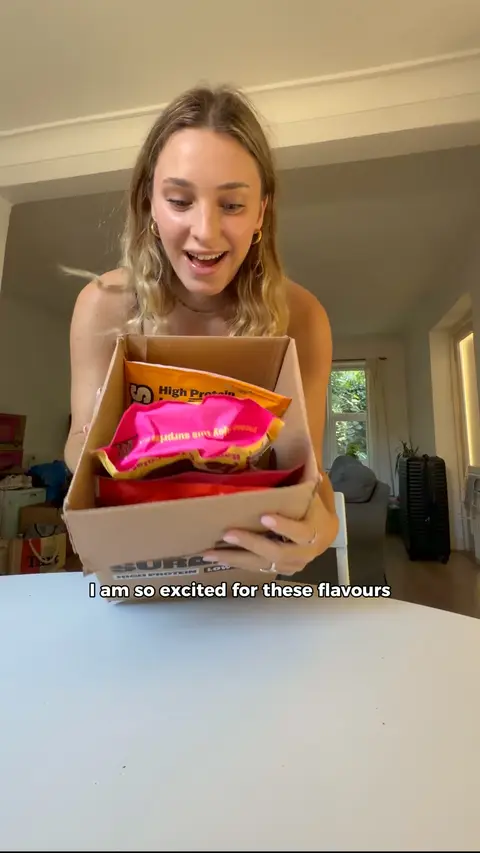
What to copy
- A real person opens a delivery box and talks to camera, with captions burned in so it still works on mute.
- The opening line names the doubt viewers already have (protein granola that tastes good sounds like a lie) before making any claim, then closes with "Try it. Judge it."
View in the Meta Ad LibraryBuild this for your brand in CTRL
How to make one
- Pick one problem, one product and one proof point. Cut everything else.
- Script three beats: the hook (0 to 3 seconds), what they tried and what changed, one line that points to the product.
- Shoot vertical in natural light, handheld, in a real setting. Skip the ring light and the studio.
- Burn in captions, cut dead air, and drop in close-ups of the product at the moment it is named.
- Make three different openings on the same body and let the data pick the winner.
Hook list
Static lifestyle imageImage, 4:5 (1080 x 1350)
What it is
One photograph of the customer's real life with a short headline on top. The product sits in the scene, set back, instead of filling the frame.
Why it works
It works with the sound off. The headline names the person's situation, so the right customer feels spoken to, and a scene looks less like an ad than a product on a plain background.
See it in the wild
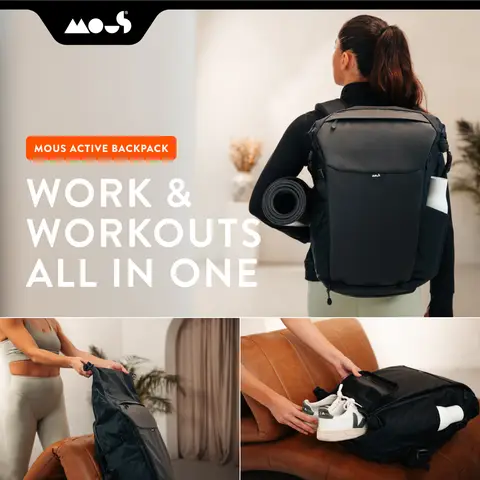
What to copy
- The product is shown being carried and packed in an ordinary home setting, with two small inset shots showing how it is used.
- The on-image headline, "Work & workouts all in one", is five words and says the use case, with a small label naming the product above it.
View in the Meta Ad LibraryBuild this for your brand in CTRL
How to make one
- Choose one persona and one moment in their day. Write it in a sentence before you shoot.
- Build the scene from real British (or local) rooms, light and props. Keep the product back from camera.
- Headline is the pain point, life stage or need state. The subline is how simple the product is. Use numerals.
- Keep the headline in the top third on clear space, and keep Stories safe zones in mind if it will also run at 9:16.
- Test two headlines on the same image before you build more images.
Hook list
Offer staticImage or short video, 1:1 or 4:5
What it is
A clear, honest offer for people who already know you: a bundle, a first-order incentive, a subscription saving or a pack choice.
Why it works
Warm audiences are close to buying. They need the deal and the next step in one glance, not another story.
See it in the wild
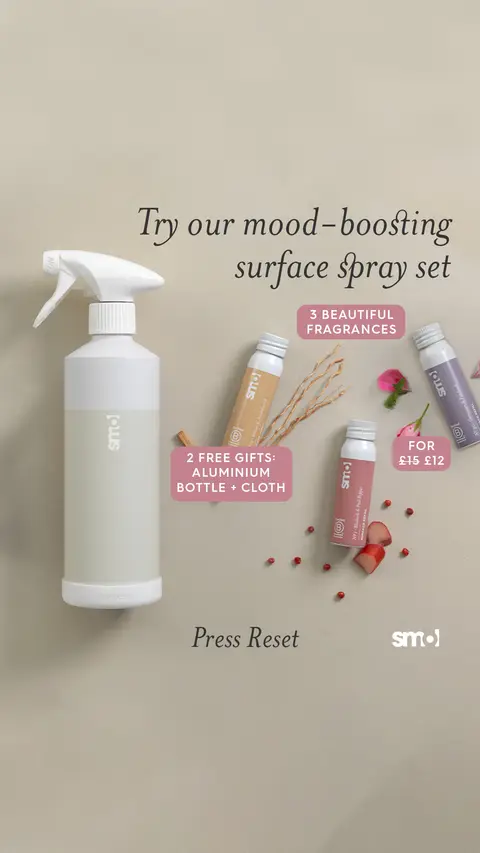
What to copy
- The offer sits on the image itself: three fragrances for £12 (was £15) plus two free gifts, a bottle and a cloth.
- The set is laid out flat with the bottle and refills, so you can see exactly what arrives for the price.
View in the Meta Ad LibraryBuild this for your brand in CTRL
How to make one
- Put the offer in one plain line and make sure the landing page matches it word for word.
- Show exactly what the customer gets: the pack, the bundle contents, the delivery promise.
- Never invent urgency. Use a deadline only if it is real and the page agrees.
- One call to action only. Send traffic to the page where that offer is already applied.
- Show it to retargeting and warm audiences first, and keep it away from cold audiences until you have proof it converts there.
Hook list
Testimonial and reviewImage, video or screenshot
What it is
A real customer's words, in a quote card, a review screenshot or a short video of them saying it.
Why it works
Strangers trust other customers more than they trust you. Specific detail ('it fits in my work bag') convinces more than praise ('love it').
See it in the wild
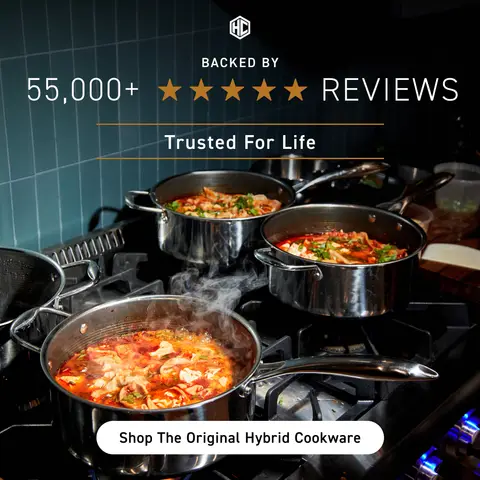
What to copy
- The image leads with the review count and five gold stars, with a short "Trusted for life" line underneath.
- The ad copy opens with a named customer quote (Cynthia S.) and the pans are shown on the hob with food in them.
View in the Meta Ad LibraryBuild this for your brand in CTRL
How to make one
- Ask for permission and keep the customer's meaning intact. Never write or polish a review into something they did not say.
- Choose quotes that name a situation, a feeling or a surprise.
- Show first name and context truthfully, or leave the name off.
- Lead with the strongest sentence, large. Put the product and the star rating second.
- Refresh the quote every few weeks so frequent viewers see something new.
Hook list
Carousel3 to 10 cards, 1:1 or 4:5
What it is
A row of swipeable cards that tell a story in steps, compare options, or teach one idea.
Why it works
A swipe is a small commitment, and each card gives you a new reason to keep going. It suits products that need a little explaining.
See it in the wild
What to copy
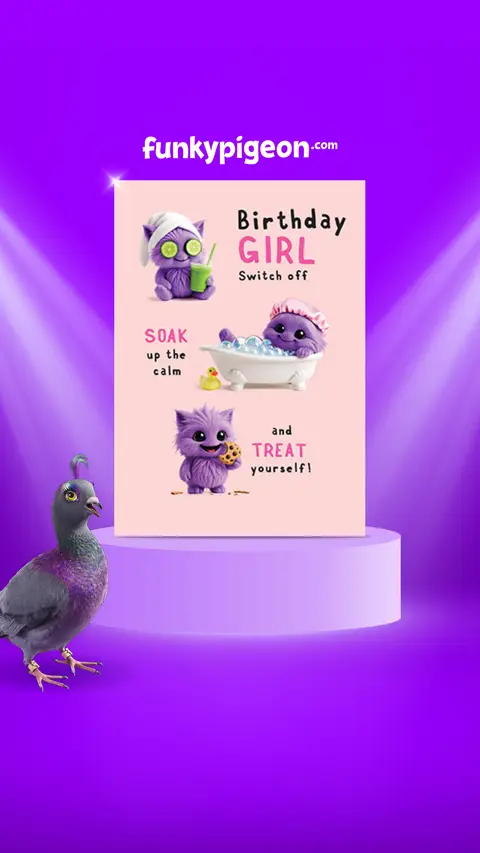
- The first card shows one product on a branded stage with the brand name at the top, so the swipe has a clear starting point.
- The headline promises cards for "every personality", which gives people a reason to keep swiping to find theirs.
View in the Meta Ad LibraryBuild this for your brand in CTRL
How to make one
- Make card 1 the hook, set as a full headline. It does the job of a single image ad.
- Give each card one idea and one line of text.
- Keep the design identical across cards so the swipe feels like one thought.
- Make the last card the call to action, and match it to the landing page.
- Test the order of cards. The best card often belongs first.
Hook list
Problem and solution demoVideo, 15 to 30 seconds
What it is
Show the problem happening, then show the product removing it, on camera, in real time.
Why it works
Seeing beats being told. A visible problem in the first three seconds stops the scroll, and the demo answers the question 'does it actually work'.
See it in the wild
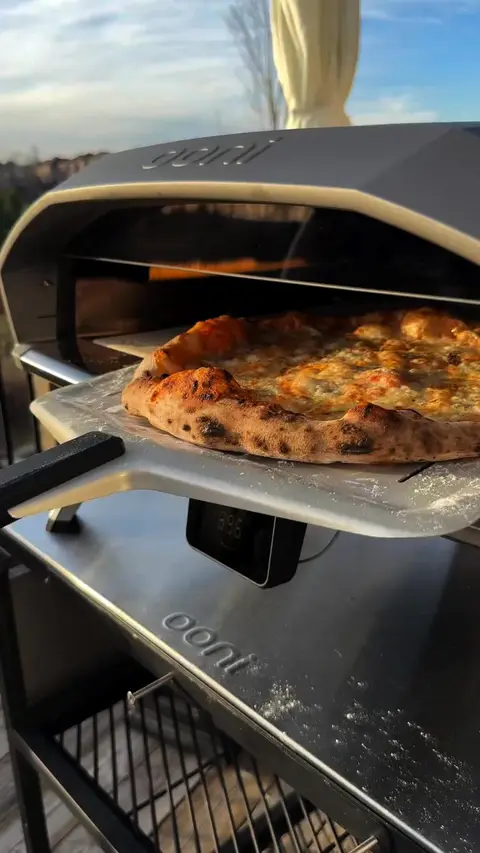
Closest match we hold. The copy runs problem then fix; the frame shown is the finished pizza, so judge the demo from the copy.
What to copy
- The copy opens on the problem as a question, then names the fix in the next sentence (the automatic rotating stone).
- The poster frame shows the finished result, an evenly baked pizza coming out of the oven, so the payoff is visible straight away.
View in the Meta Ad LibraryBuild this for your brand in CTRL
How to make one
- Storyboard three shots: the problem, the product in use, the result.
- Open on the mess, the frustration or the clock, not on a logo.
- Film in one take where you can so viewers believe it. Add captions for sound-off viewing.
- Name the benefit in the last second and give one clear next step.
- Cut a version with a voiceover and one with only captions, and compare them.
Hook list
Founder or brand storyVideo, 45 to 90 seconds
What it is
The founder or a team member explains why the brand exists and what it will not compromise on.
Why it works
People buy from people they understand. A clear reason for existing separates you from lookalike products and raises trust before the first order.
See it in the wild
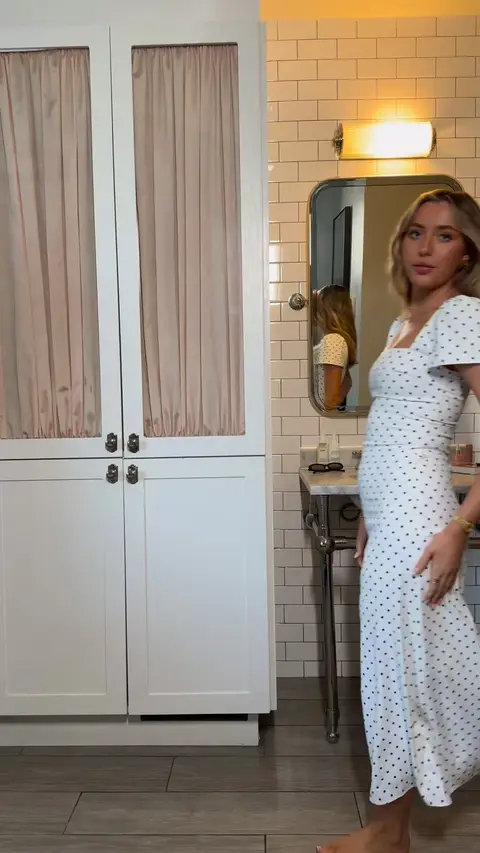
Closest match we hold: a founder styling the product, not an origin story.
What to copy
- The founder is named in the first line and wears the product herself, so the brand has a face and a person behind it.
- It is filmed in a real room with a mirror, which keeps it closer to a friend showing an outfit than a studio shoot.
View in the Meta Ad LibraryBuild this for your brand in CTRL
How to make one
- Write the story in three parts: what frustrated you, what you decided, what you refuse to do.
- Film in the place where the product is made, packed or used.
- Use plain words and real details. Avoid scripts that sound like a brand manifesto.
- Add the proof that is true and checkable, and nothing else.
- Use it for warm audiences and as the second ad in a cold sequence.
Hook list
ListicleImage or video, scannable
What it is
A counted list: reasons, signs, mistakes, questions, steps. The number is in the headline.
Why it works
A number tells the viewer exactly how much attention it will take and what they will get, so starting is easy and finishing feels worth it.
See it in the wild
What to copy
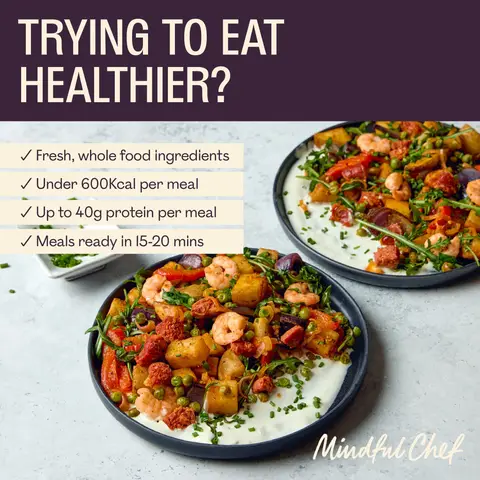
- A question headline, "Trying to eat healthier?", names the viewer's goal, then four ticked lines give the reasons.
- Each line carries a specific figure or time (under 600 kcal, up to 40g protein, ready in 15 to 20 mins), which makes the list quick to skim.
View in the Meta Ad LibraryBuild this for your brand in CTRL
How to make one
- Pick one topic your customer already searches for or asks about.
- Use a number that fits the content. Do not pad a list to reach a round figure.
- One line per point, with the benefit in the line.
- Put the strongest point first or last, never buried in the middle.
- Link the final point to the product naturally.
Hook list
Unlock the other six Meta formats
Add your name and email to open every format in this guide, with its real ad example and hook list.
TikTok
TikTok ads win when they look like TikTok. Shoot vertical at 9:16, use captions and native sound, and keep text clear of the caption and button area at the bottom and right of the screen. You have one to two seconds to earn the rest, so the hook is the work. Browse TikTok Creative Center to see top ads and trending sounds by category.
Seven of the examples below are public UK TikTok Shop videos, shown as reference. The slideshow example is a Meta carousel, because we hold no photo-mode slideshows. Where a match is loose, the card says so.
Spark AdBoosted native post, 9:16
What it is
A post from a creator or your own account, promoted as an ad. It keeps its likes, comments and shares.
Why it works
It looks like TikTok because it is TikTok. Existing engagement acts as social proof, and a creator's audience brings its own trust.
See it in the wild
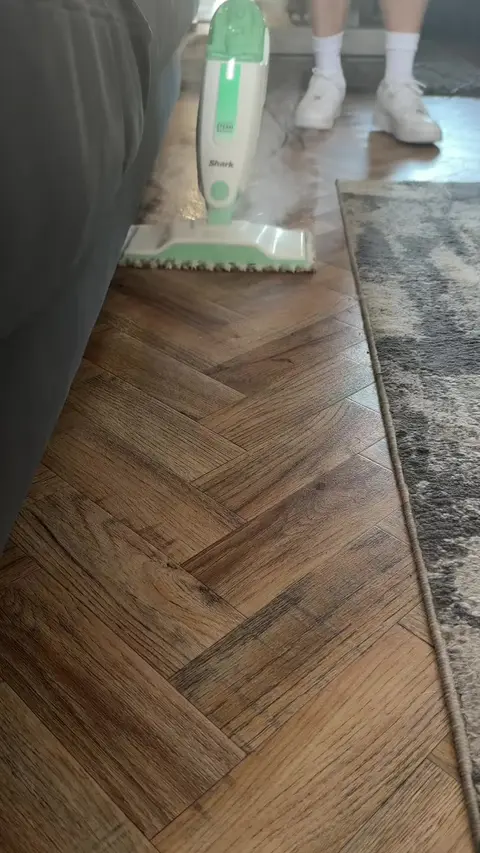
What to copy
- Opens mid-reaction ('First I was like wow') rather than with a product intro, so it reads as a personal reaction from a home user.
- The first frame is the product working on a real floor, and the 'washable pads' point is held back as a reveal later in the video.
How to make one
- Brief creators on the problem, the product fact that must be right and the one thing to show. Leave the rest to them.
- Ask each creator for an authorisation code for the post you want to promote.
- Add the code in Ads Manager and run the post as an ad. Keep the original caption.
- Run several creators against each other with the same budget.
- Reply to comments on the ad like you would on any post.
Hook list
POV videoVideo, 10 to 25 seconds, 9:16
What it is
The camera is the viewer's eyes. A caption starting 'POV:' sets the scene and the viewer steps into it.
Why it works
It puts the viewer inside a moment they recognise. It needs no talking, so it works with the sound off and costs little to shoot.
See it in the wild
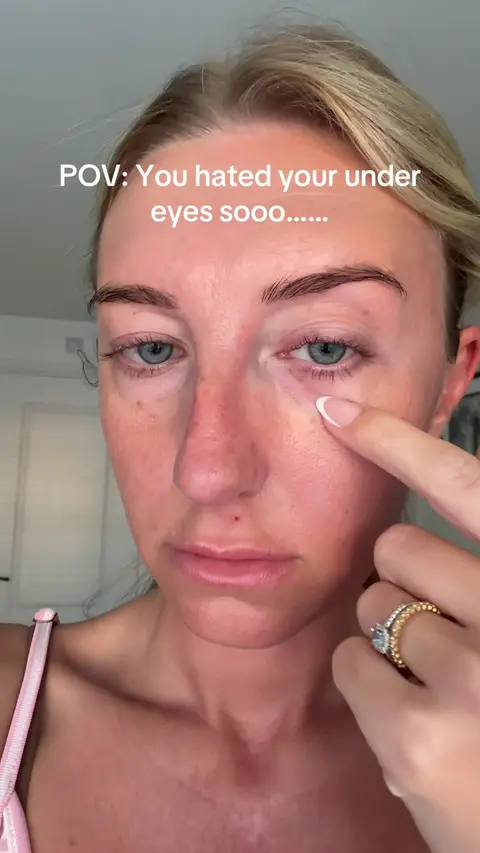
Cosmetic product: copy the opening structure, not any result wording.
What to copy
- On-screen text opens with 'POV:' over a close-up face, so the scene is first person from the very first frame.
- The line names the viewer's own gripe and then gives a nudge ('Your sign to start'), all inside a 20 second cut.
How to make one
- Write the scenario as one line of on-screen text.
- Shoot first person, with hands in frame and no face required.
- Show the product in the middle of the action, not at the end.
- Keep it under 25 seconds and cut on every beat.
- Post several POVs with different personas and see which one draws comments.
Hook list
Routine and day in the lifeVideo, 30 to 60 seconds
What it is
A real routine (get ready with me, morning, night, Sunday reset) in which the product appears naturally.
Why it works
Routines show a product used in context, which answers 'where does this fit in my day'. They also hold viewers for longer, which tells the platform to show them to more people.
See it in the wild
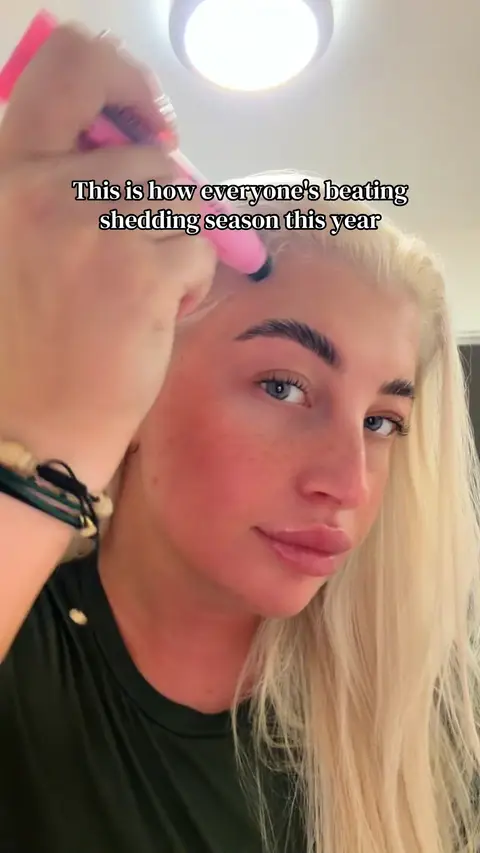
Closest match we hold: the only routine video in the library. It is a hair product, so copy the structure, not any outcome wording.
What to copy
- Ties the routine to a time of year ('shedding season this year') and adds a crowd cue ('everyone's'), so it feels timely and shared.
- The scalp applicator is already in use in the first frame and the library skeleton shows a shower routine, so the routine is the demo.
How to make one
- Film the routine as you actually do it, in the order you do it.
- Put the product in once or twice, and say plainly what it does in one sentence.
- Add a voiceover or text overlay for each step.
- Open on a result or a time, such as '6:45am', to give the first second a purpose.
- Cut a short version for cold audiences and keep the long one for warm.
Hook list
Green screen and replyVideo, 20 to 45 seconds
What it is
The creator stands in front of a screenshot, article, review or comment and reacts to it, or answers a viewer's question in a new video.
Why it works
It borrows an existing conversation, so the topic is already something viewers care about. Answering real questions builds trust and reuses your best objections as content.
See it in the wild
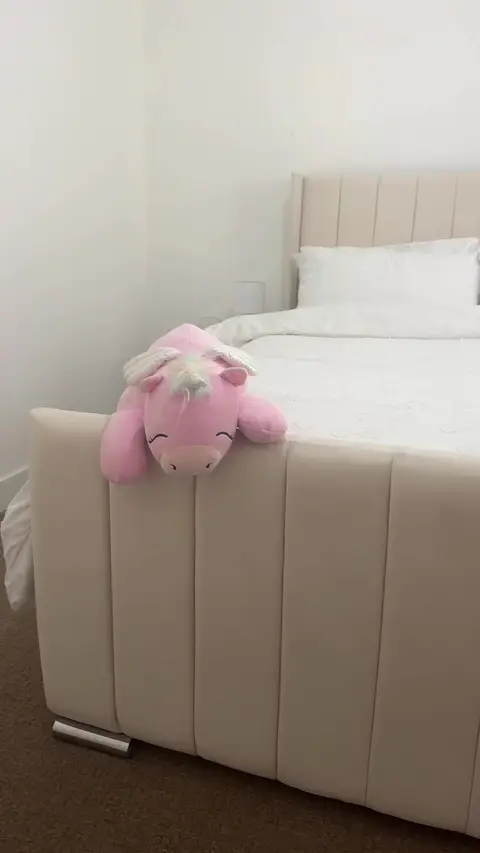
Closest match we hold. The hook answers a question the audience keeps asking, but there is no green screen or comment sticker in this video.
What to copy
- Opens by quoting the question the audience keeps asking and answers it head on, so the trust objection is dealt with before any selling.
- The first frame is the bed itself with no on-screen sticker or screenshot, so the 'reply' is spoken, not shown.
How to make one
- Collect the top questions and comments from your ads and your inbox.
- Pick one per video. Put the question on screen using the green screen or reply feature.
- Answer in plain words in under 45 seconds, then show the product only if it answers the question.
- Keep a bank of questions so you can make a new reply every week.
- Turn the best performers into your cold ads.
Hook list
Storytime with voiceoverVideo, 30 to 60 seconds
What it is
A short story told over everyday footage, with the product entering partway through.
Why it works
A story with a turn makes people wait for the ending. The footage can be filmed in one afternoon.
See it in the wild
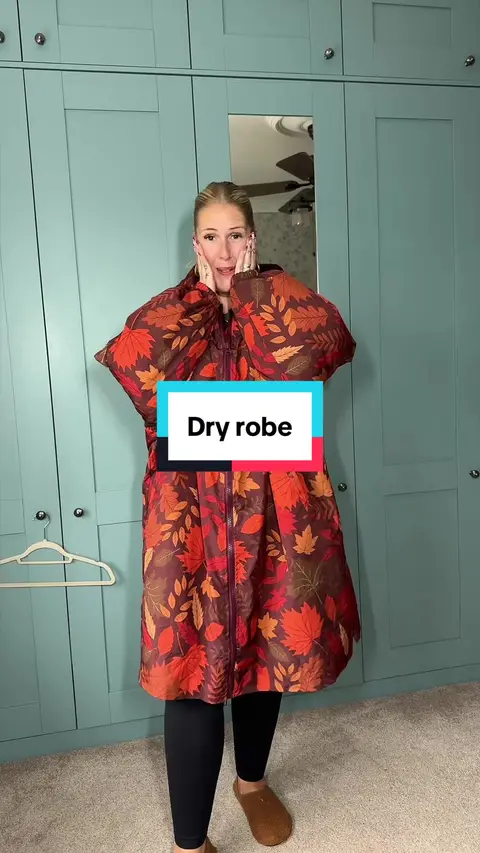
Closest match we hold. A personal story opener that reads more like a testimonial than a long storytime.
What to copy
- Starts with a personal hesitation ('avoided getting this for years') that mirrors a worry many buyers have, so it works as a story opener.
- Resolves the worry by trying the robe on camera, then adds softer-lining and pattern-choice points after the sizing answer.
How to make one
- Write the story in four lines: the situation, the problem, the turn, the result.
- Record the voiceover first, then film or collect footage to match it.
- Bring the product in at the turn, never in the first sentence.
- End on the outcome in the person's own words.
- Keep each sentence short so captions are easy to read.
Hook list
Demo and unboxingVideo, 15 to 30 seconds
What it is
A close, sensory look at the product: opening the box, the first use, texture, sound, size.
Why it works
It answers 'what does it look and feel like' fast. Close-ups and real sound make a product feel real, which lowers the risk of buying.
See it in the wild
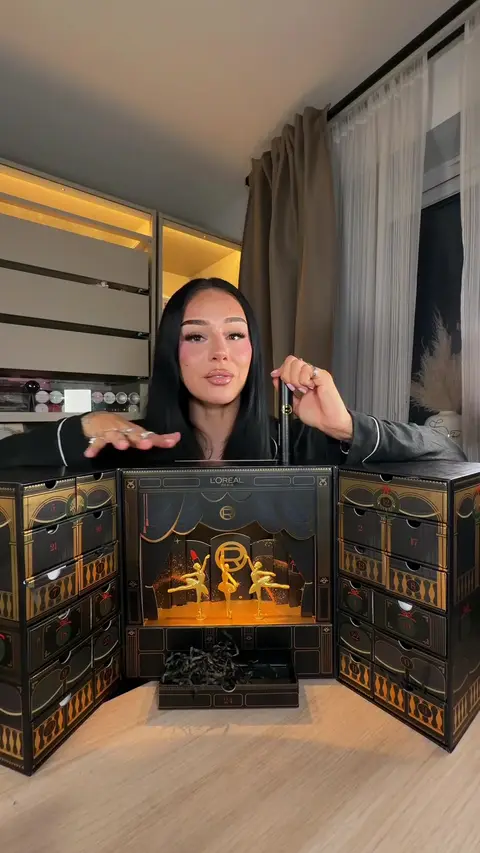
What to copy
- Chatty, low-pressure opener before the product is named, then the light-up reveal is the visual payoff that keeps people watching.
- A long unboxing (120 seconds) built on one opening after another, with the price drop and the TikTok Shop exclusive stated as the offer.
How to make one
- Film close up in good light, with the product and hands only if you prefer.
- Capture the sound: the lid, the pour, the crunch, the click. Leave it in.
- Show the product at actual size next to a familiar object.
- Say what it is and who it is for in one sentence.
- Add captions and a title on screen at the start.
Hook list
Trend and soundVideo, 10 to 20 seconds
What it is
A current format or audio from the platform, adapted to your product or customer.
Why it works
Trends ride on content the algorithm is already pushing, and viewers already know the format, so they understand the joke or the point immediately.
See it in the wild
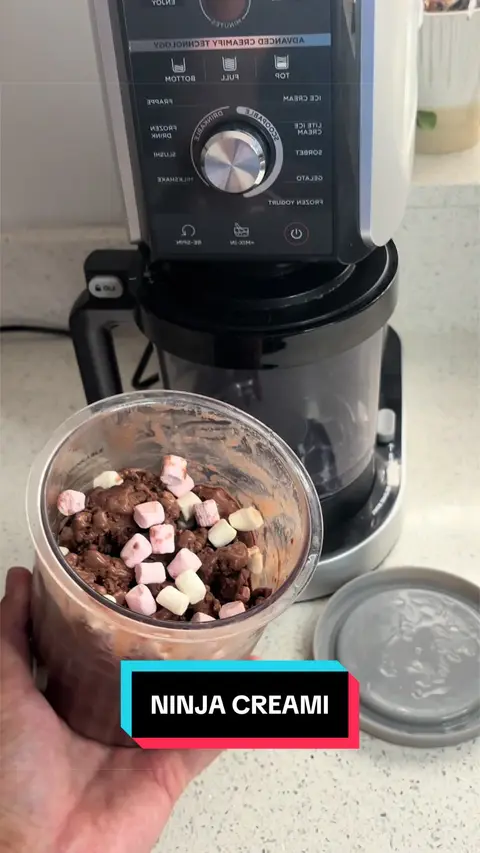
Closest match we hold. It rides a viral UK product, but we could not check the sound.
What to copy
- Borrows a viral UK product (the M&S milkshake) in the first line, so the existing trend does the attention work.
- Bold product label in the first frame, then a 'one thing they don't tell you' line to hold viewers through the feature list.
How to make one
- Browse TikTok Creative Center to find what is trending in your category.
- Check that any audio you use is cleared for ads. Use the commercial sound library when in doubt.
- Adapt the format to a real moment in your customer's day. Keep the product visible.
- Move quickly: trends age in days, not weeks.
- Do not force a trend that does not fit the brand.
Hook list
Photo mode slideshow6 to 9 images with sound, 9:16
What it is
A swipeable set of images with a text hook on the first slide and a trending or calm sound underneath.
Why it works
It is cheap to make, it fits product ranges and lists, and viewers save and share it. A list on the first slide tells people exactly what to expect.
See it in the wild
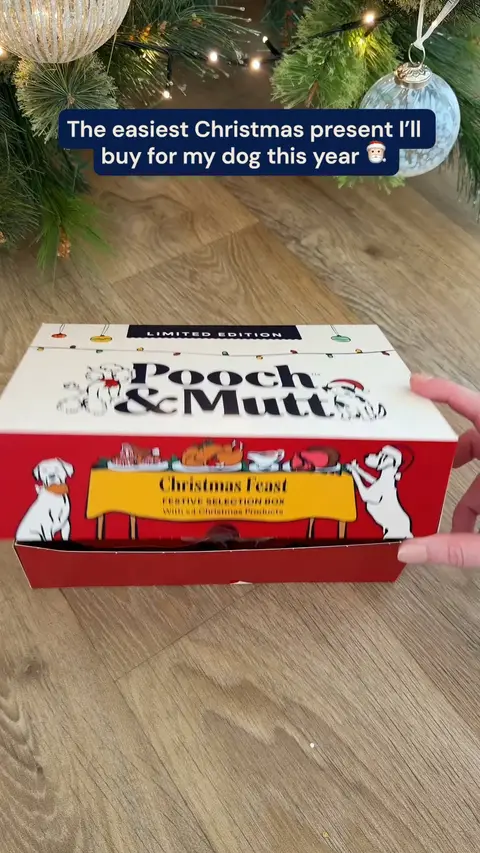
Closest match we hold: the library holds no photo-mode slideshows, so this is a Meta carousel with a first-person overlay.
What to copy
- The first card has a short first-person line over a real photo ('The easiest Christmas present I'll buy for my dog this year'), written like a caption on a personal post.
- The copy lists the four items in the box with a sparkle mark each, so a swipe through the cards answers 'what is in it'.
View in the Meta Ad LibraryBuild this for your brand in CTRL
How to make one
- Write a hook as text on slide 1. Use a number where it fits.
- Use bright, high quality images with a single idea per slide and large text.
- End with one call to action slide.
- Add a calm or trending sound that suits the mood.
- Post several slideshows a week with different lists.
Hook list
Unlock the other six TikTok formats
Add your name and email to open every format in this guide, with its real ad example and hook list.
Eight hook formulas
Every hook above is built from one of these. Use them to write your own.
Name the person
Call out who it is for in the first words: 'For the night-shift nurse who...'. Viewers decide in a moment whether it is about them.
Name the moment
A specific time or situation ('3pm', 'the school run', 'the last mile') feels more real than a general benefit.
Number and payoff
'[Number] ways', '[Number] seconds', '[Number] things'. A number sets expectations and makes starting easy.
The question they already ask
Use the words customers use in reviews, comments and search. Your hook should sound like their own thought.
Proof first
Open on the result or the quote and explain afterwards. It works when the proof is real and specific.
Instruction
'Watch this', 'Save this', 'Do this before you buy'. A direct instruction is easy to follow and can lift saves and shares.
Confession
'I did not expect...', 'I almost did not post this'. Honest admissions earn attention in a feed full of claims.
Before you buy
Speak to the person comparing options: 'Read this before you buy [category]'. Strong for solution aware audiences.
The one-page ad brief
Fill this in before anyone opens a camera or an editing tool.
- Persona: who is this for, in one sentence?
- Moment: when in their day do they feel the problem?
- Pain or need: in their words, not ours.
- Ad type: which format from this guide?
- Three hooks: written from the lists above.
- Proof: the one true thing that makes them believe it.
- Offer and call to action: one only, matching the landing page.
- Success line: the number that tells you it worked, and when you will check it.
Test one change at a time. Keep the body and the visual the same, swap the hook, and judge each version on the same metric.
Build these for your own brand
CTRL by SIBT finds the ads that are working in your category, explains why they work, and drafts briefs, ads, landing pages and emails for your brand in your customers' own words. Every format in this guide, ready to brief.
Request a CTRL demoPrepared by SIBT. Ad examples come from the public Meta Ad Library and public UK TikTok Shop videos (Sept to Oct 2026). They belong to their owners and are shown as reference only, with no affiliation or endorsement. Ad platforms change their policies and formats often, so check each platform's current rules before you launch.